Buy georgedimitrov.eu ?
We are moving the project
georgedimitrov.eu .
Are you interested in purchasing the domain
georgedimitrov.eu ?
domain@kv-gmbh.de · 0541-91531010
Buy georgedimitrov.eu ?
Are genetically modified enzymes the same as synthetic enzymes?
Genetically modified enzymes and synthetic enzymes are not the same. Genetically modified enzymes are produced by altering the genetic material of an organism, such as bacteria or yeast, to produce a specific enzyme. Synthetic enzymes, on the other hand, are created through chemical synthesis in a laboratory. While both types of enzymes can be used for various industrial and scientific applications, they are produced through different methods and have different origins. **
What are enzymes?
Enzymes are biological molecules that act as catalysts to speed up chemical reactions in living organisms. They are typically proteins that bind to specific molecules, called substrates, and help to convert them into different molecules. Enzymes are essential for various biological processes, such as digestion, metabolism, and cellular signaling. They are highly specific in their actions and can be regulated to control the rate of reactions in the body. **

Similar search terms for Enzymes
Top-Angebote
Products related to Enzymes:
-
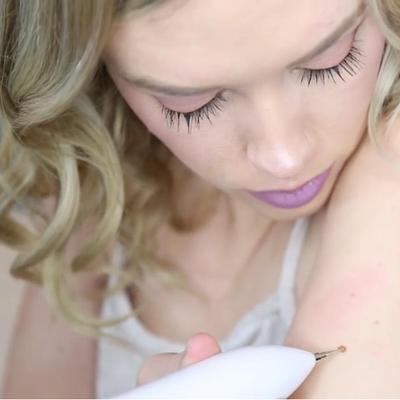
StayWell Revolutionary Skin Care Plasma Pen Skin Tag & Mole Remover With Long Lasting Battery, USB Rechargeable Revolutionary Skin Care Plasma Pen Skin Tag & Mole Remover With Long Lasting Battery, USB RechargeableDiscover Flawless Skin with Our Plasma Pen Skin Tag & Mole Remover –Your AtHome Solution for a Clearer Complexion. Take control of your skincare routine with the latest in plasma technology. Powerful 2200 mAh Battery: Enjoy extended use with our...30,49 $*Shipping: 0,00 $Secure redirect to the provider
-
StayWell Revolutionary Skin Care Plasma Pen USB Rechargeable Skin Tag & Mole Remover With 2200 MAh Long Lasting Battery Revolutionary Skin Care Plasma Pen USB Rechargeable Skin Tag & Mole Remover With 2200 MAh Long Lasting BatteryStep into the future of skin care with our Revolutionary Skin Care Plasma Pen. This stateoftheart device is designed to safely and noninvasively remove skin tags, moles, and other skin imperfections, leaving your skin clear and smooth. 2200 mAh...27,49 $*Shipping: 0,00 $Secure redirect to the provider
-
Penguin Allen Carr's Easyweigh to Lose Weight Book by Allen Carr – Revolutionary Weight Loss Method International BestsellerLose weight and feel great in 2020. __________Allen Carr, international bestselling author of The Easy Way to Stop Smoking, helps you to take off the pounds in no time - without dieting, calorie-counting or using will-power. His revolutionary eating plan allows you to enjoy food and savour flavours all while you're losing weight. You'll be able to: - Eat your favourite foods- Follow your natural instincts- Avoid guilt, remorse and other bad feelings- Avoid worrying about digestive ailments or feeling faint- Learn to re-educate your taste- Let your appetite guide your dietA happy reader says: 'I've found the answer I've been looking for for 20 years! I've done every diet you can think of. My sister urged me to buy the book - and I'm so glad I did! It isn't someone telling you what to do, it isn't a weird eating plan, IT ISN'T A DIET! There's no guilt... There's no stuggle... There's no restrictions... You just know what to do and you know you want to do it and why!'___________Allen Carr was an accountant who smoked 100 cigarettes a day until he discovered EASYWAY. Having cured his own addiction he went on to write a series of bestselling books, most famously The Easy Way to Stop Smoking. His books have sold more than 13 million copies worldwide. Allen's lasting legacy is a dynamic, ongoing, global publishing programme and an ever-expanding worldwide network of clinics which help treat a range of issues including smoking, weight, alcohol and drug addiction.8,99 £*Shipping: 2,99 £Secure redirect to the provider
-
Orion The Telomere Effect, A Revolutionary Approach to Living Younger, Healthier, Longer by Dr Elizabeth Blackburn , Dr Elissa EpelThe Telomere Effect, A Revolutionary Approach to Living Younger, Healthier, Longer by Dr Elizabeth Blackburn , Dr Elissa Epel A ground breaking book on the history of Telomeres offering fresh advice on how to slow down aging and lengthen life. Nobel prize winning Doctor Elizabeth Blackburn and leading health psychologist Dr Elissa Epel have discovered biological markers called Telomeres which can help to understand how healthy our cells are and what we can do to improve them. The book specifically looks ideas including; how biological age is not chronological age; a biological basis for the mind-body connection, how sleep and diet can affect telomeres and shockingly how mothers who are highly stressed during pregnancy have children with shorter telomeres. It also offers tools and advice on how to determine cellular age and telomere health. Doctor Elizabeth Blackburn was awarded the Nobel Prize in Physiology or Medicine in 2009 for her discovery of telomeres and their role in the ageing process and has previously been named in TIME magazine's 100 Most Influential People. Dr. Elissa Epel is a leading health psychologist who has conducted pioneering research uncovering the psychobiological mechanisms related to how stress ages us and compromises our health-from emotional eating to unhealthy storage of abdominal fat to telomere shortening.1,99 £*Shipping: 1,99 £Secure redirect to the provider


-
How do enzymes work?
Enzymes work by speeding up chemical reactions in the body. They do this by lowering the activation energy required for a reaction to occur, making it easier for the reaction to take place. Enzymes achieve this by binding to the substrate molecules involved in the reaction and bringing them into close proximity, allowing the reaction to occur more quickly. Enzymes are specific to the reactions they catalyze, and their activity can be influenced by factors such as temperature, pH, and the presence of inhibitors or activators. **
-
How are enzymes named?
Enzymes are named based on the type of reaction they catalyze and the substrate they act upon. The names of enzymes typically end in "-ase" to indicate their enzymatic function. The first part of the name often reflects the substrate or the type of reaction the enzyme is involved in. For example, the enzyme that breaks down lactose is called lactase, and the enzyme that breaks down lipids is called lipase. Additionally, enzymes are often given a systematic name based on their specific function and the biochemical pathways they are involved in. **
-
Why are enzymes biocatalysts?
Enzymes are biocatalysts because they are able to speed up chemical reactions in living organisms without being consumed in the process. They do this by lowering the activation energy required for a reaction to occur, making it easier for the reaction to take place. Enzymes are highly specific in their action, targeting specific substrates and catalyzing specific reactions, which allows for precise control of metabolic processes in the cell. This specificity and efficiency make enzymes essential for the functioning of biological systems. **
-
What are key enzymes?
Key enzymes are proteins that catalyze specific chemical reactions within the body. They play a crucial role in regulating and speeding up metabolic processes, such as breaking down food for energy or building new molecules for growth and repair. Key enzymes are often involved in important biochemical pathways and are essential for maintaining overall health and homeostasis in the body. Their activity can be regulated by various factors, such as substrate concentration, pH, and temperature, and they are often targeted by drugs and therapies to treat various diseases and disorders. **


What are enzymes in biology?
Enzymes are biological molecules that act as catalysts to speed up chemical reactions in living organisms. They are typically proteins that bind to specific molecules, called substrates, and help to convert them into different molecules. Enzymes are essential for various cellular processes, such as metabolism, digestion, and DNA replication. They are highly specific, meaning each enzyme catalyzes a particular reaction. **
How do you heat enzymes?
Enzymes can be heated by placing them in a water bath or incubator set at a specific temperature. It is important to use a gentle heating method to avoid denaturing the enzymes. The temperature at which enzymes are heated depends on the specific enzyme and its optimal working temperature. It is crucial to carefully monitor the temperature to ensure that the enzymes remain active and functional. **
Top-Angebote
Products related to Enzymes:
-
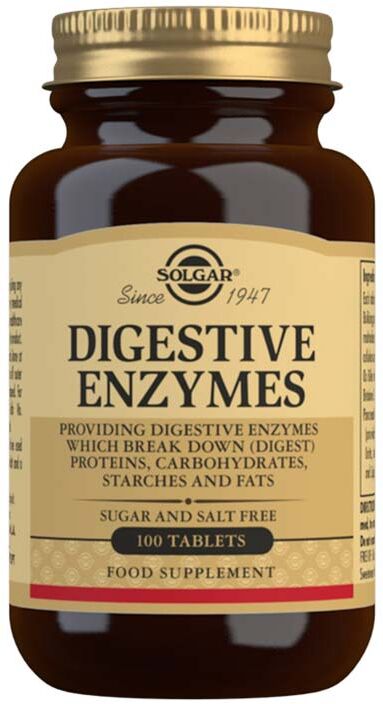
Solgar Digestive Enzymes 100 TabletsA unique proprietary complex, Solgar’s Digestive Enzymes provide support for your digestive system and for the absorption of food. Taking 1-3 of these premium, specialist supplements helps your body break down the food you eat and absorb nutrients. The digestive process is a complex one – the body breaks down the food we eat into nutrients. This is done with the help of digestive enzymes which are produced in the pancreas and small intestine. If we don’t have enough digestive enzymes, our body is not capable of breaking down food completely and nutrients won’t be absorbed efficiently, even if we follow a balanced, healthy diet. Chronic stress, low stomach acid and even food allergies can have an impact on the production of digestive enzymes – this is where Solgar comes in. Boasting ox bile, betaine, pancreatin, aspergillus oryzae, papain and pesin extract, Solgar’s supplement provides extra digestive support after meals. Each of its enzymes targets different food groups, ensuring a holistic approach to digestion. All Solgar products meet the industry-recognised “Gold Standard” for excellence. Made using naturally sourced ingredients and innovating since 1947. Key Benefits • Specialist combination of digestive enzymes to support the breakdown of proteins, carbohydrates, starches and fats • Helps your digestive system extract nutrients from your food • Designed to support your digestive system Ingredients Bulking Agents: (calcium carbonate, maltodextrin, microcrystalline cellulose, sucrose, lactose), Ox Bile Powdered Extract, Betaine HCI, Pancreatin 4X Concentrate (providing Protease, Amylase, Lipase), Powdered Peppermint (Mentha piperita) Leaf, Cross-Linked Cellulose Gum, Aspergillus oryzae, Amylase, Anti-caking Agents: (silicon dioxide, vegetable magnesium stearate), Papain, Glazing Agents: (hydroxypropylmethyl cellulose, vegetable glycerin (from palm kernel oil and coconut oil)), Pepsin Extract (contains milk).20,50 £*Shipping: 2,95 £Secure redirect to the provider
-
Upcircle Powder To Foam Face Wash With Willow Bark and Papaya EnzymesExperience a refreshing and radiant complexion with the Upcircle Powder To Foam Face Wash With Willow Bark and Papaya Enzymes. This innovative, water-activated cleanser features a non-stripping, soap-free formula designed to cleanse and gently exfoliate the skin. Each bottle provides up to 200 uses, offering a lightweight yet highly effective solution for a daily skincare routine. Skin is left feeling balanced, revitalized, and smooth after every use.The 97% natural formulation is enriched with upcycled rice lees and willow bark to refine texture and even out skin tone. Papaya enzymes provide a light polishing effect, lifting away dead skin cells and daily impurities to reveal a brighter appearance. This vegan and cruelty-free product is made in South Korea and comes in a recyclable glass bottle, making it an ideal choice for those seeking sustainable beauty options.Suitable for all skin types, including sensitive skin, this cleanser is simple to use. Dispense a small amount into wet hands and add water to create a soft, luxurious foam. Gently massage the foam into the skin and rinse thoroughly for a clean, refreshed finish.Key BenefitsCleanses and gently exfoliates without stripping the skin using a soap-free, 97% natural formula that leaves the complexion refreshed and radiant - Smooths and evens skin tone with upcycled rice lees, willow bark, and papaya enzymes that lift dead skin cells and daily impurities - Offers a sustainable and long-lasting skincare solution with up to 200 uses per recyclable glass bottle of this vegan and cruelty-free cleanserIngredients:97% Natural Ingredients: Zea Mays (Corn) Starch, Sodium Cocoyl Isethionate, Sodium Lauroyl Glutamate, Diglycerin, Oryza Sativa (Rice) Lees Extract, Salix Alba (Willow) Bark Extract, Oryza Sativa (Rice) Powder, Camellia Sinensis Leaf Powder, Centella Asiatica Leaf/Stem Powder, Chamomilla Recutita (Matricaria) Flower Extract, Allantoin, Papain, Panthenol, Maltodextrin, Glucose, Glycerin, Aqua (Water), 1,2-Hexanediol.17,59 £*Shipping: 2,95 £Secure redirect to the provider
-
StayWell Revolutionary Skin Care Plasma Pen Skin Tag & Mole Remover With Long Lasting Battery, USB Rechargeable Revolutionary Skin Care Plasma Pen Skin Tag & Mole Remover With Long Lasting Battery, USB RechargeableDiscover Flawless Skin with Our Plasma Pen Skin Tag & Mole Remover –Your AtHome Solution for a Clearer Complexion. Take control of your skincare routine with the latest in plasma technology. Powerful 2200 mAh Battery: Enjoy extended use with our...30,49 $*Shipping: 0,00 $Secure redirect to the provider
-
StayWell Revolutionary Skin Care Plasma Pen USB Rechargeable Skin Tag & Mole Remover With 2200 MAh Long Lasting Battery Revolutionary Skin Care Plasma Pen USB Rechargeable Skin Tag & Mole Remover With 2200 MAh Long Lasting BatteryStep into the future of skin care with our Revolutionary Skin Care Plasma Pen. This stateoftheart device is designed to safely and noninvasively remove skin tags, moles, and other skin imperfections, leaving your skin clear and smooth. 2200 mAh...27,49 $*Shipping: 0,00 $Secure redirect to the provider
-
Are genetically modified enzymes the same as synthetic enzymes?
Genetically modified enzymes and synthetic enzymes are not the same. Genetically modified enzymes are produced by altering the genetic material of an organism, such as bacteria or yeast, to produce a specific enzyme. Synthetic enzymes, on the other hand, are created through chemical synthesis in a laboratory. While both types of enzymes can be used for various industrial and scientific applications, they are produced through different methods and have different origins. **
-
What are enzymes?
Enzymes are biological molecules that act as catalysts to speed up chemical reactions in living organisms. They are typically proteins that bind to specific molecules, called substrates, and help to convert them into different molecules. Enzymes are essential for various biological processes, such as digestion, metabolism, and cellular signaling. They are highly specific in their actions and can be regulated to control the rate of reactions in the body. **
-
How do enzymes work?
Enzymes work by speeding up chemical reactions in the body. They do this by lowering the activation energy required for a reaction to occur, making it easier for the reaction to take place. Enzymes achieve this by binding to the substrate molecules involved in the reaction and bringing them into close proximity, allowing the reaction to occur more quickly. Enzymes are specific to the reactions they catalyze, and their activity can be influenced by factors such as temperature, pH, and the presence of inhibitors or activators. **
-
How are enzymes named?
Enzymes are named based on the type of reaction they catalyze and the substrate they act upon. The names of enzymes typically end in "-ase" to indicate their enzymatic function. The first part of the name often reflects the substrate or the type of reaction the enzyme is involved in. For example, the enzyme that breaks down lactose is called lactase, and the enzyme that breaks down lipids is called lipase. Additionally, enzymes are often given a systematic name based on their specific function and the biochemical pathways they are involved in. **
Similar search terms for Enzymes
-
Penguin Allen Carr's Easyweigh to Lose Weight Book by Allen Carr – Revolutionary Weight Loss Method International BestsellerLose weight and feel great in 2020. __________Allen Carr, international bestselling author of The Easy Way to Stop Smoking, helps you to take off the pounds in no time - without dieting, calorie-counting or using will-power. His revolutionary eating plan allows you to enjoy food and savour flavours all while you're losing weight. You'll be able to: - Eat your favourite foods- Follow your natural instincts- Avoid guilt, remorse and other bad feelings- Avoid worrying about digestive ailments or feeling faint- Learn to re-educate your taste- Let your appetite guide your dietA happy reader says: 'I've found the answer I've been looking for for 20 years! I've done every diet you can think of. My sister urged me to buy the book - and I'm so glad I did! It isn't someone telling you what to do, it isn't a weird eating plan, IT ISN'T A DIET! There's no guilt... There's no stuggle... There's no restrictions... You just know what to do and you know you want to do it and why!'___________Allen Carr was an accountant who smoked 100 cigarettes a day until he discovered EASYWAY. Having cured his own addiction he went on to write a series of bestselling books, most famously The Easy Way to Stop Smoking. His books have sold more than 13 million copies worldwide. Allen's lasting legacy is a dynamic, ongoing, global publishing programme and an ever-expanding worldwide network of clinics which help treat a range of issues including smoking, weight, alcohol and drug addiction.8,99 £*Shipping: 2,99 £Secure redirect to the provider
-
Orion The Telomere Effect, A Revolutionary Approach to Living Younger, Healthier, Longer by Dr Elizabeth Blackburn , Dr Elissa EpelThe Telomere Effect, A Revolutionary Approach to Living Younger, Healthier, Longer by Dr Elizabeth Blackburn , Dr Elissa Epel A ground breaking book on the history of Telomeres offering fresh advice on how to slow down aging and lengthen life. Nobel prize winning Doctor Elizabeth Blackburn and leading health psychologist Dr Elissa Epel have discovered biological markers called Telomeres which can help to understand how healthy our cells are and what we can do to improve them. The book specifically looks ideas including; how biological age is not chronological age; a biological basis for the mind-body connection, how sleep and diet can affect telomeres and shockingly how mothers who are highly stressed during pregnancy have children with shorter telomeres. It also offers tools and advice on how to determine cellular age and telomere health. Doctor Elizabeth Blackburn was awarded the Nobel Prize in Physiology or Medicine in 2009 for her discovery of telomeres and their role in the ageing process and has previously been named in TIME magazine's 100 Most Influential People. Dr. Elissa Epel is a leading health psychologist who has conducted pioneering research uncovering the psychobiological mechanisms related to how stress ages us and compromises our health-from emotional eating to unhealthy storage of abdominal fat to telomere shortening.1,99 £*Shipping: 1,99 £Secure redirect to the provider
-
Touch of Class Noble Leader Wall Accent Brown , BrownOne can always recognize a Noble Leader by the traditional feather headdress. This resin wall accent is highly detailed with tribal designs and includes handpainted shades of blue, brown, white, and terra cotta. Measures 13.5 Wx3 Dx16.5 H. Imported....69,99 $*Shipping: 0,00 $Secure redirect to the provider
-
Hodder & Stoughton Be the Pack Leader by Cesar MillanBe the Pack Leader Description Bestselling author, Cesar Millan, takes his principles of dog psychology a step further, showing you how to develop the calm-assertive energy of a successful pack leader and use it to improve your dog's life - and your own. Filled with practical tips and techniques as well as success stories from his fans, clients (including the Grogan family), and his popular television show Dog Whisperer with Cesar Millan, Cesar helps you understand and read your dog's energy as well as your own so that you can move beyond just correcting behavioural issues and take your connection with your dog to the next level. The principles of calm-assertive energy will help you become a better pack leader in every area of your life, improving your relationships with friends, family and co-workers. In addition, Cesar addresses several important issues for the first time, including what you need to know about the major dog behaviour tools available and the difference between 'personality' and 'instability'. What emerges from BE THE PACK LEADER are both happier dogs and happier, more centred owners.6,45 £*Shipping: 2,99 £Secure redirect to the provider
-
Why are enzymes biocatalysts?
Enzymes are biocatalysts because they are able to speed up chemical reactions in living organisms without being consumed in the process. They do this by lowering the activation energy required for a reaction to occur, making it easier for the reaction to take place. Enzymes are highly specific in their action, targeting specific substrates and catalyzing specific reactions, which allows for precise control of metabolic processes in the cell. This specificity and efficiency make enzymes essential for the functioning of biological systems. **
-
What are key enzymes?
Key enzymes are proteins that catalyze specific chemical reactions within the body. They play a crucial role in regulating and speeding up metabolic processes, such as breaking down food for energy or building new molecules for growth and repair. Key enzymes are often involved in important biochemical pathways and are essential for maintaining overall health and homeostasis in the body. Their activity can be regulated by various factors, such as substrate concentration, pH, and temperature, and they are often targeted by drugs and therapies to treat various diseases and disorders. **
-
What are enzymes in biology?
Enzymes are biological molecules that act as catalysts to speed up chemical reactions in living organisms. They are typically proteins that bind to specific molecules, called substrates, and help to convert them into different molecules. Enzymes are essential for various cellular processes, such as metabolism, digestion, and DNA replication. They are highly specific, meaning each enzyme catalyzes a particular reaction. **
-
How do you heat enzymes?
Enzymes can be heated by placing them in a water bath or incubator set at a specific temperature. It is important to use a gentle heating method to avoid denaturing the enzymes. The temperature at which enzymes are heated depends on the specific enzyme and its optimal working temperature. It is crucial to carefully monitor the temperature to ensure that the enzymes remain active and functional. **
* All prices are inclusive of VAT and, if applicable, plus shipping costs. The offer information is based on the details provided by the respective shop and is updated through automated processes. Real-time updates do not occur, so deviations can occur in individual cases. ** Note: Parts of this content were created by AI.